Do you really need to see a dental hygienist if you brush your teeth twice a day? What happens during a hygiene appointment? Can a hygienist remove tartar? And how often should you have your teeth professionally cleaned?
These are some of the questions patients commonly have when considering a dental hygiene appointment.
You may brush carefully every morning and night, use an electric toothbrush, floss or use interdental brushes, yet still notice tartar, staining, bleeding gums, bad breath or areas that never seem to feel completely clean.
That does not necessarily mean you are doing everything wrong.
Some areas of the mouth are simply difficult to clean thoroughly at home, and once plaque hardens into calculus, or tartar, it cannot be removed with normal brushing.
That is where professional dental hygiene care can make a difference.
At Centre of Dental Excellence in Stanmore, we provide professional dental hygiene care for patients looking to improve their oral hygiene, maintain healthy gums and get personalised advice about caring for their teeth at home.
And for new patients, we currently offer a 30-minute dental hygiene appointment for £80.

This is one of the most common questions patients ask.
Brushing twice a day with fluoride toothpaste is an important part of maintaining good oral health. The NHS recommends brushing twice daily for around two minutes and cleaning between your teeth regularly.
But brushing is only one part of your oral hygiene routine.
Your toothbrush may not effectively remove every area of plaque, particularly:
If plaque remains on the teeth, it can irritate the gums.
Over time, plaque can also harden into calculus, commonly called tartar.
Once tartar has formed, brushing alone cannot remove it effectively.
That is one reason professional hygiene appointments can be useful even if you have a good brushing routine.
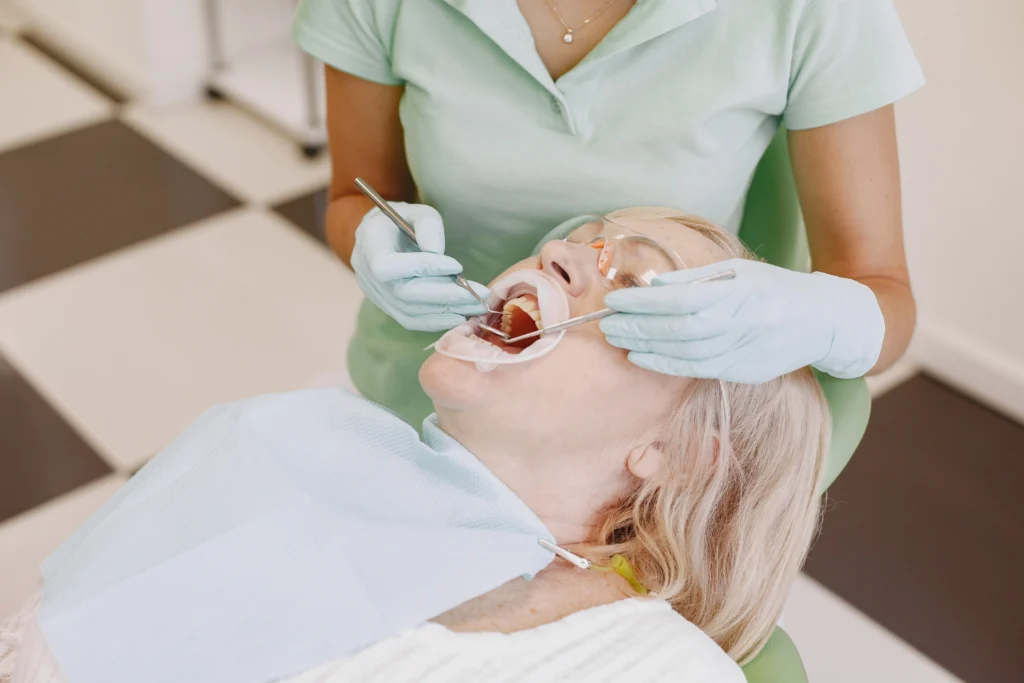
A dental hygienist does much more than simply polish your teeth.
A hygiene appointment can include professional cleaning and personalised advice to help you maintain your teeth and gums between appointments.
Depending on your individual needs, your hygienist may focus on:
The exact treatment and advice you need will depend on your individual oral health.
It is not just about making your teeth look cleaner.
Professional hygiene care is primarily about helping you maintain healthy teeth and gums.
Understanding the difference is important.
Plaque
Plaque is a soft, sticky film containing bacteria that forms on your teeth.
It develops naturally throughout the day.
Regular brushing and cleaning between your teeth help remove it.
Tartar or Calculus
If plaque is not removed effectively, it can harden into calculus, also known as tartar.
Tartar is much harder and firmly attached to the tooth surface.
A toothbrush cannot simply brush hardened tartar away.
Professional cleaning may therefore be needed to remove established deposits.
The NHS explains that plaque contributes to gum disease and recommends professional dental hygiene care as part of maintaining healthy gums where appropriate.
This is another very common patient question.
Having tartar does not automatically mean that you have poor oral hygiene.
You may be brushing twice a day but still have areas that are difficult to reach.
For example, tartar commonly develops in areas where saliva naturally collects and where plaque can be harder to remove.
You may also struggle to clean effectively between certain teeth.
Your technique, tooth position, gum shape and existing dental work can all influence how easy it is to keep particular areas clean.
This is why a dental hygienist can be helpful.
Rather than simply telling you to brush more, they can help identify where your problem areas are and how you can clean them more effectively.
Bleeding gums should not simply be ignored.
Bleeding when brushing or cleaning between your teeth can be a sign of gum inflammation.
Other symptoms of gum disease can include:
The NHS recommends seeing a dentist if your gums bleed when brushing or eating, or if they are painful and swollen.
Should you stop brushing if your gums bleed?
Usually, stopping your oral hygiene routine is not the answer.
Instead, it is important to find out why your gums are bleeding and make sure you are cleaning your teeth and gums appropriately.
A dental professional can assess your oral health and provide individual advice.
Yes, professional dental hygiene treatment can remove deposits of plaque and calculus that cannot be removed through normal brushing.
This is one of the main reasons patients book hygiene appointments.
Tartar can feel like:
Trying to scrape tartar off yourself with household tools is not recommended.
You could damage your teeth or gums.
Professional cleaning allows deposits to be removed using appropriate dental instruments and techniques.
A hygiene appointment is not the same as professional teeth whitening.
However, removing plaque and some types of surface staining can make your teeth look cleaner and brighter.
Stains can build up from things such as:
A professional hygiene appointment can help remove appropriate surface deposits.
However, if you are looking for a significant change in the natural colour of your teeth, you may need to discuss professional teeth whitening separately with your dentist.
If you have never seen a hygienist before, you may wonder what actually happens.
Your appointment will depend on your oral health and individual needs.
A typical appointment may involve:
1. Discussing Your Oral Health
Your hygienist may ask about:
2. Assessing Your Oral Hygiene
Your hygienist will look at your teeth and gums and identify areas where plaque or deposits are accumulating.
3. Professional Cleaning
Where appropriate, deposits such as plaque and calculus can be professionally removed.
4. Personalised Advice
You may be shown how to improve your brushing or clean between specific teeth.
This could include advice about:
The NHS notes that dentists and hygienists can advise patients on the best way to clean between their teeth.
There is no single schedule that is right for everyone.
Some people may benefit from more frequent professional hygiene appointments, while others may need them less often.
Your dental team can recommend an appropriate interval based on your oral health, gum condition, home-care routine and individual risk factors.
It is therefore better to ask:
“How often should I see a hygienist based on my oral health?”
rather than assuming everyone needs exactly the same number of appointments each year.
Sometimes.
Persistent bad breath, also known as halitosis, can have several causes.
One possible cause is the build-up of plaque and bacteria around the teeth and gums.
Gum disease can also be associated with bad breath and a bad taste in the mouth.
A hygiene appointment can help identify whether plaque or calculus accumulation may be contributing to the problem.
However, persistent bad breath should not automatically be assumed to be caused by poor cleaning.
If it continues despite improving your oral hygiene, it is worth discussing with your dentist.
Good daily oral hygiene is essential for preventing and managing gum problems.
Plaque accumulation can irritate the gums and contribute to gum disease.
Professional hygiene treatment can help remove deposits that are difficult to remove at home and can support better home-care habits.
But professional cleaning is not a replacement for daily brushing and interdental cleaning.
Think of your hygiene appointment as part of a bigger picture:
Professional care + good home care = a stronger approach to maintaining your oral health.
This is an important distinction.
A hygienist focuses heavily on preventive oral care and gum health, while a dentist provides broader assessment and treatment for problems affecting your teeth, gums and mouth.
For example, if you have:
you may need a dental examination rather than simply booking a hygiene appointment.
A routine dental examination allows the dentist to assess your teeth, gums and mouth and identify problems that may require treatment.
Sometimes you need both.
A dentist can identify and diagnose dental problems, while your hygienist can support your ongoing oral hygiene and gum health.
What If I Haven’t Seen a Hygienist for Years?
Don’t be embarrassed.
Many patients delay professional cleaning because they:
There is no need to feel embarrassed.
The purpose of a hygiene appointment is to help you improve your oral health, not to judge your previous routine.
If it has been a long time since your last professional clean, your hygienist can assess where you are now and help you work out what to do next.
If you are new to Centre of Dental Excellence and looking for a dental hygienist in Stanmore, our new-patient hygiene offer could be a good place to start.
🦷 30-Minute Hygiene Appointment £80
Our new-patient dental hygiene appointment is £80 for 30 minutes.
It is designed for patients who want professional hygiene care and personalised advice about maintaining their teeth and gums.
Whether you are concerned about:
a hygiene appointment can help you understand what is happening and what you can do about it.
New to Centre of Dental Excellence?
Book your 30-minute hygiene appointment for £80.
Dental Hygienist in Stanmore
If you are searching for:
“dental hygienist near me”
“dental hygienist Stanmore”
“teeth cleaning Stanmore”
“hygienist near Stanmore”
“professional teeth cleaning near me”
Centre of Dental Excellence is conveniently located on Church Road in Stanmore.
We welcome patients from Stanmore, Harrow, Edgware, Bushey, Pinner, Northwood, Borehamwood, Watford and surrounding areas of North West London.
Centre Of Dental Excellence
📍 46 Church Road, Stanmore, Middlesex HA7 4AH
Final Thoughts: Is a Dental Hygienist Worth It?
If you brush twice a day and clean between your teeth, you are already doing something important for your oral health.
But home care cannot always remove every deposit, particularly hardened tartar.
A dental hygienist can provide professional cleaning, assess areas where you may be struggling and give you personalised advice to help you maintain healthier teeth and gums.
So if you have been wondering:
“Do I really need to see a dental hygienist?”
the answer depends on your individual oral health.
But if you have bleeding gums, tartar build-up, persistent bad breath, gum concerns or simply want professional advice about your oral hygiene, it may be worth arranging an appointment.
🦷 New patients: 30-minute dental hygiene appointment for £80.
Don’t wait until your gums become a problem. Take the opportunity to look after them now.
How much is a dental hygiene appointment in Stanmore?
At Centre of Dental Excellence, our new-patient offer is £80 for a 30-minute hygiene appointment.
Can a hygienist remove tartar?
Professional dental hygiene treatment can remove deposits of calculus or tartar that cannot be removed through normal brushing.
Can brushing remove tartar?
No. Once plaque has hardened into calculus or tartar, it cannot simply be brushed away.
How often should I see a dental hygienist?
It depends on your individual oral health and risk factors. Your dental team can recommend an appropriate interval.
Why do my gums bleed when I brush?
Bleeding gums can be a sign of gum inflammation or gum disease and should be assessed rather than ignored.
Is a hygienist appointment the same as teeth whitening?
No. A hygiene appointment focuses on oral hygiene and professional cleaning. It may remove some surface staining, but it is not the same as professional tooth whitening.
Can I see a hygienist if I haven’t been to the dentist for years?
You can discuss your situation with the dental practice. Depending on your symptoms and needs, you may also require a dental examination.
Keywords: dental hygienist Stanmore, dental hygiene Stanmore, dental hygienist near me, teeth cleaning Stanmore, do I really need a dental hygienist, is a dental hygienist worth it, what does a dental hygienist do, what happens during a dental hygiene appointment, can a hygienist remove tartar, how often should I see a dental hygienist, dental hygienist, dental hygiene, teeth cleaning, hygienist, tartar removal, plaque removal, professional teeth cleaning, gum health, do I need a hygienist if I brush twice a day, can a dental hygienist remove hardened tartar, why do I have tartar even though I brush, why are my gums bleeding when I brush, how often should I get my teeth professionally cleaned, what happens at a dental hygiene appointment, is professional teeth cleaning worth it, dental hygienist Stanmore, teeth cleaning Stanmore, hygienist Stanmore, dental hygienist Harrow, dental hygienist Edgware, teeth cleaning Bushey, dental hygienist Pinner, dental hygienist Borehamwood, dental hygienist Northwood, dental hygienist Watford, North West London dental hygienist