
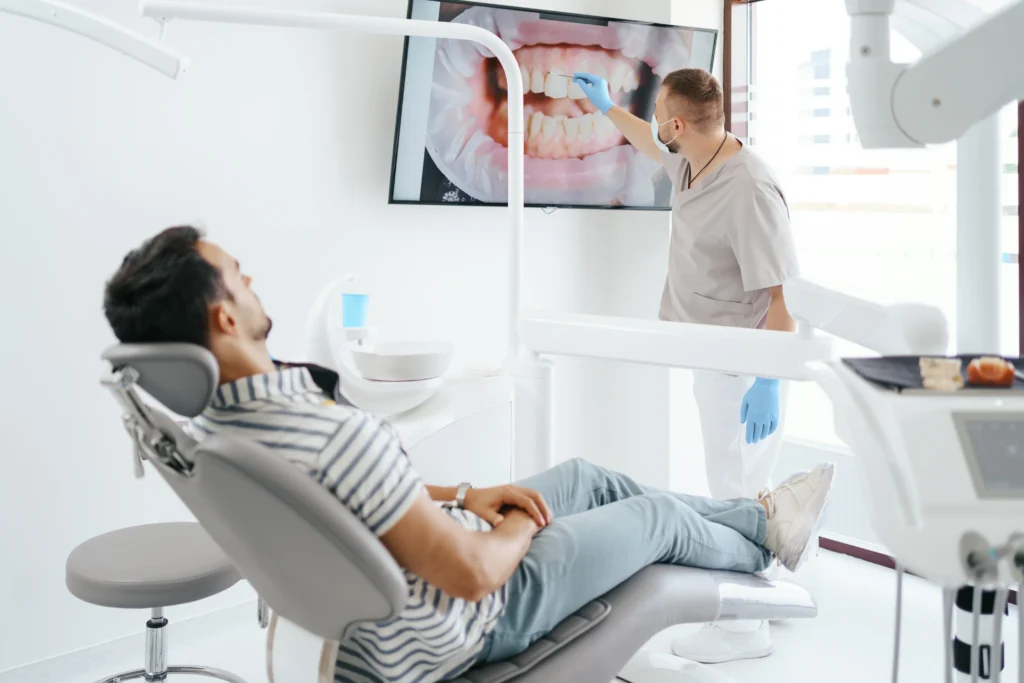
Toothache That Comes and Goes? Causes & When to See a Dentist
Does your toothache come and go? Learn what may cause intermittent tooth pain, why it should not be ignored, and when to see a dentist in Stanmore.
My Toothache Comes and Goes, Should I Still See a Dentist?
Yes. A toothache that comes and goes is still worth having checked by a dentist.
It can be tempting to ignore dental pain when it disappears. You may assume that because your tooth feels better, the problem has gone away. Unfortunately, this is not always the case.
Tooth pain can be intermittent, meaning it may disappear for hours, days or even longer before returning. The underlying cause may still be present.
A toothache that comes and goes can be caused by several dental problems, including tooth decay, a cracked tooth, gum disease, an infection, a damaged filling or problems with the tooth’s nerve.
If you have recurring tooth pain, a dental examination can help identify the cause and determine whether treatment is needed.
At Centre of Dental Excellence in Stanmore, our team can assess tooth pain, investigate the possible cause and discuss the most appropriate next steps.
Intermittent tooth pain can happen for different reasons.
The type of pain, what triggers it and how long it lasts can provide useful information during your dental assessment.
For example, your tooth may hurt:
Even if the pain stops, make a note of when it happens and what seems to trigger it.
1. Tooth Decay
Tooth decay is a common cause of toothache.
In its early stages, decay may cause no symptoms. As it progresses deeper into the tooth, you may begin to notice sensitivity or pain.
You might experience discomfort when:
The pain may initially come and go depending on what is triggering the tooth.
Without assessment and treatment where needed, decay can continue to progress.
3. A Damaged Filling or Crown
An old filling or crown can sometimes become damaged, loose or worn.
This may allow the underlying tooth to become exposed or place additional stress on the remaining tooth structure.
You may experience sensitivity or intermittent pain when:
A dentist can examine the restoration and the tooth underneath it.
5. Problems With the Tooth Nerve
If decay, damage or a crack reaches the inner part of the tooth, the nerve may become irritated or inflamed.
Pain can sometimes start as intermittent and become more frequent over time.
You may notice:
Depending on the condition of the tooth, treatment may involve restoring the tooth or considering root canal treatment.
7. Teeth Grinding or Clenching
Clenching or grinding your teeth can place significant pressure on your teeth and jaw muscles.
Some people are unaware that they grind their teeth, particularly during sleep.
Possible signs include:
Your dentist can assess signs of tooth wear and discuss whether grinding or clenching may be contributing to your symptoms.
2. A Cracked Tooth
A crack in a tooth can sometimes cause pain that appears and disappears.
You may notice:
Cracks are not always easy to see.
The pain may depend on the position of the crack and the pressure placed on the tooth. This means you may be able to eat comfortably at some times but experience sudden pain at others.
If you suspect a cracked tooth, arrange a dental assessment.
4. Tooth Sensitivity
Sensitivity can cause a short, sharp pain that quickly disappears.
Common triggers include:
Tooth sensitivity can occur for several reasons, including exposed tooth surfaces, gum recession, enamel wear or decay.
Because the causes can vary, persistent or recurring sensitivity should be assessed rather than self-diagnosed.
6. Gum Problems
Not all toothache comes directly from the tooth itself.
Inflammation or infection affecting the gums and supporting tissues can also cause discomfort.
You may notice additional symptoms such as:
A dental examination can help determine whether the source of your pain is related to your gums or another dental problem.
8. A Wisdom Tooth Problem
Wisdom teeth can sometimes cause pain that comes and goes.
Symptoms may occur when a wisdom tooth:
A dental examination and X-ray can help assess the position of the wisdom tooth and surrounding structures.
A toothache stopping does not necessarily mean the underlying problem has resolved.
Some dental conditions can change over time, and symptoms may temporarily improve even though the cause remains.
For example, the level of inflammation inside a tooth can change, or a trigger may simply no longer be present.
This is why recurring tooth pain should be checked, particularly if it has happened more than once.
Do not wait for severe pain before arranging an appointment.
If you have recurring tooth pain:
1. Book a Dental Appointment
A dentist can examine the tooth and investigate the cause.
2. Make a Note of Your Symptoms
Tell your dentist:
Whether it is getting worse
3. Keep the Area Clean
Continue brushing carefully and cleaning between your teeth.
4. Avoid Known Triggers
If cold, sweet or hard foods consistently trigger pain, avoiding them temporarily may help reduce discomfort until you can be assessed.
5. Do Not Place Aspirin or Other Medication Directly on the Tooth or Gum
Use pain relief only as directed on the packaging or by an appropriate healthcare professional.
You should seek urgent dental advice if your toothache is severe or you develop symptoms such as:
Difficulty breathing or swallowing with significant swelling can require urgent medical attention.
If you are unsure how urgent your symptoms are, contact a dental or appropriate healthcare professional for advice.
The first step is finding out why your tooth hurts.
Your dentist may:
✔️ Ask about your symptoms
✔️ Examine the affected tooth
✔️ Check neighbouring teeth
✔️ Assess your gums
✔️ Test the tooth where appropriate
✔️ Check your bite
✔️ Take an X-ray where clinically indicated
Once the cause has been identified, your dentist can discuss suitable treatment options.
Depending on the diagnosis, this could involve:
The right treatment depends entirely on the cause of your symptoms.
Don’t Wait Until the Pain Becomes Severe
One of the biggest mistakes patients make is waiting until a toothache becomes unbearable.
If pain comes and goes, it can be easy to postpone booking an appointment.
However, earlier assessment may allow dental problems to be identified and managed before they become more extensive.
If you have experienced recurring tooth pain, even if you feel fine today, it is worth arranging a dental check.
Toothache Dentist in Stanmore
If you’re searching for:
toothache dentist near me
dentist for tooth pain near me
toothache comes and goes
emergency dentist Stanmore
dentist Stanmore
private dentist near me
tooth pain when biting
tooth sensitivity treatment Stanmore
Centre of Dental Excellence can provide a comprehensive dental assessment and discuss your treatment options.
We welcome patients from:
Stanmore • Harrow • Edgware • Bushey • Pinner • Borehamwood • Northwood • Watford • North West London
Final Thoughts
A toothache that comes and goes should not simply be ignored.
While some causes may be relatively minor, intermittent pain can also be an early sign of decay, a crack, infection, nerve inflammation or another dental problem.
The only reliable way to understand what is causing recurring tooth pain is through a professional dental assessment.
If your toothache keeps returning, don’t wait for it to become severe.
Book a Toothache Assessment
Centre of Dental Excellence
46 Church Road
Stanmore, Middlesex
HA7 4AH
📞 020 8420 7407
If you’re experiencing recurring tooth pain or are concerned about a toothache that comes and goes, contact our team to arrange an assessment and discuss the next steps.
toothache comes and goes, intermittent toothache, tooth pain Stanmore, dentist Stanmore, why does my toothache come and go, tooth pain that comes and goes, should I see a dentist if my toothache stops, toothache comes and goes but no swelling, intermittent tooth pain causes, tooth hurts then stops hurting, recurring toothache, tooth pain when biting, toothache dentist Stanmore, tooth pain Stanmore, emergency dentist Stanmore, dentist Stanmore, private dentist Stanmore, toothache dentist Harrow, emergency dentist Harrow, dentist Edgware, dentist Bushey