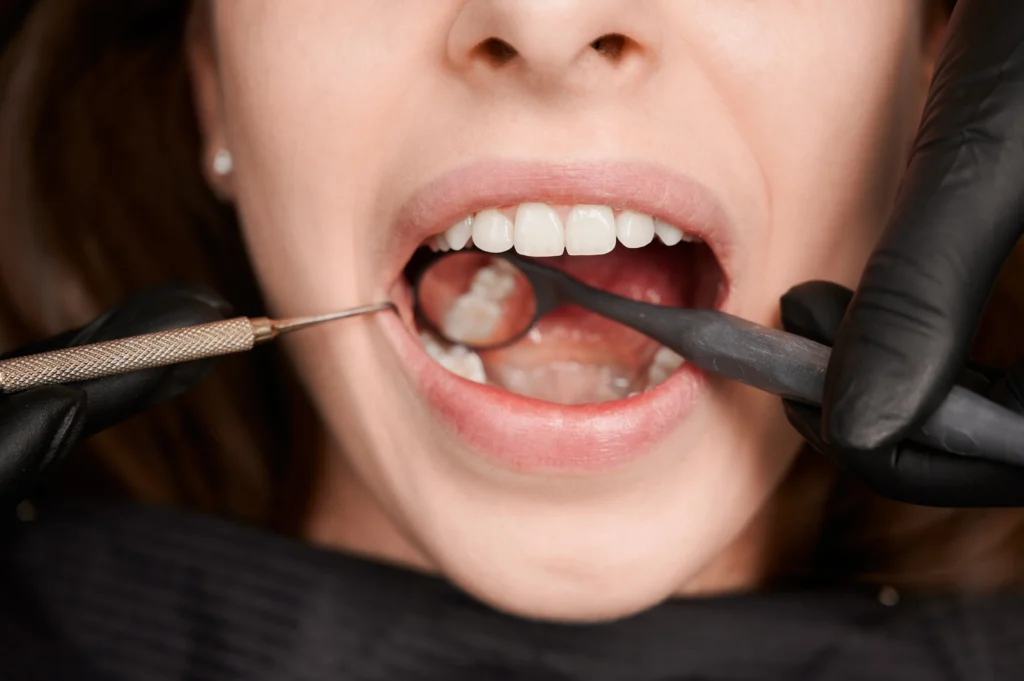
When most people think about visiting the dentist, they may think about toothache, fillings or a routine check-up. However, a general dentist can do much more than simply treat dental problems when they arise.
Regular general dentistry plays an important role in maintaining healthy teeth and gums, identifying potential problems early and helping you look after your oral health in the long term.
If you are looking for a general dentist in Stanmore, understanding the range of care available can help you make informed decisions about your dental health.
General dentistry covers a wide range of dental services designed to prevent, diagnose and treat common problems affecting your teeth, gums and overall oral health.
A general dentist is often your first point of contact when you have a dental concern. Whether you need a routine examination, have developed tooth sensitivity or are experiencing dental pain, your dentist can assess your oral health and recommend the most appropriate treatment.
General dentistry is not only about treating existing problems. Preventive care is equally important because regular dental appointments can help identify issues at an earlier stage.
1. Routine Dental Check-Ups
One of the most important reasons to visit a general dentist is for regular dental examinations.
During a check-up, your dentist will assess your teeth, gums and overall oral health. They may look for signs of tooth decay, gum disease, worn or damaged teeth and other changes that may require further attention.
Regular examinations can help detect problems before they become more advanced. This can sometimes mean simpler treatment and may help prevent unnecessary discomfort in the future.
Your dentist can also advise you on how frequently you should attend based on your individual oral-health needs.
3. Treating Gum Disease
Healthy gums are an important part of good oral health.
Gum disease can cause symptoms such as bleeding when brushing, swollen or tender gums, persistent bad breath and, in more advanced cases, loose teeth.
A general dentist can assess the condition of your gums and recommend appropriate treatment and preventive measures. Regular examinations and good daily oral hygiene can play an important role in managing gum health.
If you notice persistent bleeding or changes in your gums, it is worth arranging a dental appointment rather than simply ignoring the symptoms.
5. Helping With Toothache and Dental Pain
Toothache should not usually be ignored, particularly if it persists or becomes worse.
Dental pain can have several possible causes, including tooth decay, infection, damaged teeth, gum problems or issues with existing dental work.
A general dentist can examine the affected area, identify the likely cause and discuss appropriate treatment options.
If you experience sudden or severe dental pain, swelling or other concerning symptoms, contact a dental practice as soon as possible for advice.
7. Preventive Dental Care
Prevention is one of the most important parts of general dentistry.
Your dentist can provide personalised advice about maintaining healthy teeth and gums, including:
Small changes to your daily routine can make a significant difference to your oral health over time.
9. Children’s General Dentistry
General dentistry can also play an important role in children’s oral health.
Regular dental visits can help children become comfortable with the dental environment while allowing potential problems to be identified early.
Parents can also receive advice about brushing, diet, fluoride and developing good oral-health habits from an early age.
Establishing positive dental habits during childhood can help support better oral health as children grow.
2. Preventing Tooth Decay and Cavities
Tooth decay is one of the most common dental problems and can affect people of all ages.
A general dentist can help you understand your risk of tooth decay and provide advice on brushing, cleaning between your teeth, diet and other aspects of preventive dental care.
If decay is detected, your dentist can recommend appropriate treatment. Treating decay at an early stage may help prevent it from progressing and causing more significant damage to the tooth.
4. Dental Fillings
When a tooth is affected by decay, a dental filling may be recommended to restore the damaged area.
Your dentist will first assess the tooth and determine the most appropriate treatment. A filling can restore the shape and function of a tooth affected by decay and help protect it from further damage.
If you have noticed sensitivity, discomfort or a visible hole in a tooth, speak to your dentist so the problem can be assessed.
6. Treating Broken or Damaged Teeth
Teeth can become damaged for a variety of reasons, including accidents, biting hard foods, tooth decay or general wear and tear.
If you chip, crack or break a tooth, a general dentist can assess the extent of the damage and determine what treatment may be appropriate.
Depending on the situation, treatment could involve repairing or restoring the tooth. The sooner a damaged tooth is assessed, the sooner you can understand your options.
8. Professional Dental Hygiene
Even with regular brushing and interdental cleaning at home, plaque and tartar can build up in areas that are difficult to clean effectively.
Professional dental hygiene appointments can help remove deposits from the teeth and support good gum health.
Your dentist or dental hygienist can also provide advice on how to improve your cleaning routine at home and identify areas where you may need to pay particular attention.
10. Monitoring Your Overall Oral Health
Your mouth can change over time, which is why regular dental examinations are important.
A dentist can monitor changes in your teeth, gums and existing dental work and advise you if further assessment or treatment is required.
Regular appointments also give you an opportunity to discuss any concerns you may have, even if you are not currently experiencing pain.

You do not necessarily need to wait until something hurts before visiting a dentist.
You should consider arranging an appointment if you experience:
Even when you do not have noticeable symptoms, regular dental examinations can help identify potential problems before they become more complicated.
Having a regular dentist means you have a professional who can become familiar with your dental history and ongoing oral-health needs.
For patients in Stanmore and the surrounding areas of North West London, choosing a local dental practice can make it easier to attend routine appointments and seek advice when a dental concern arises.
At Centre of Dental Excellence, our aim is to provide comprehensive dental care in a comfortable and professional environment. Our general dentistry services are focused on helping patients maintain healthy teeth and gums while identifying and treating problems when necessary.
Looking After Your Teeth Between Appointments
Your daily routine is just as important as your dental appointments.
To support good oral health:
Final Thoughts
A general dentist can help with much more than treating toothache. From routine examinations and preventive care to fillings, gum health and damaged teeth, general dentistry provides the foundation for maintaining your oral health.
Regular dental care can help you identify potential problems early and understand how to keep your teeth and gums healthy in the long term.
If you are looking for a general dentist in Stanmore, Centre of Dental Excellence can help you understand your dental needs and the treatment options available to you.
Book an appointment with Centre of Dental Excellence in Stanmore to discuss your oral health and find out how we can help you maintain a healthy smile.